Micro-optics
Micro Prism Micro Lens Micro Window Rod Lens Micro Lens ArrayOptical Spherical Lens
Plano Concave Lens Plano Convex L Lens Achromatic Cemented Lens Meniscus Lens Double Concave Lens Double Convex Lens Half Ball Lens Custom Hyper Hemisphere LensOptical Dome
Visible Optical Glass Dome Ultraviolet (UV) Dome Infrared (IR) Dome Dome With FlangeOptical Prism
Optical Wedge Window Corner Cube Retroreflector Roof Prism Pyramid Optical Octagon Light Guide Rod Penta Prism Light Guide Prism Dove Prism Cube Beamsplitter Anamorphic Prism Powell Prism 30° - 60° - 90° Littrow Dispersion PrismsCylindrical Mirror
Plano Concave Cylindrical Lens Plano Convex Cylindrical Lens Achromatic Cemented Cylindrical Lens Round Cylinder Meniscus Cylindrical LensFilter
Dichroic Filter Bandpass Filter Longpass Filter Neutral Density Filter Narrow Bandpass Filter Cut Off Filter Mosaic Filter Band Pass Linear Variable Filter Cut-off Linear Variable Filter Pixel Level (Stepped) Hyperspectral FilterOptical Window
Brewster Windows Parallel Windows Witness SamplesCNC Light Weight Component
Silicon Material Silicon Carbide Fused Silica Zerodur MacorAspherical Lens
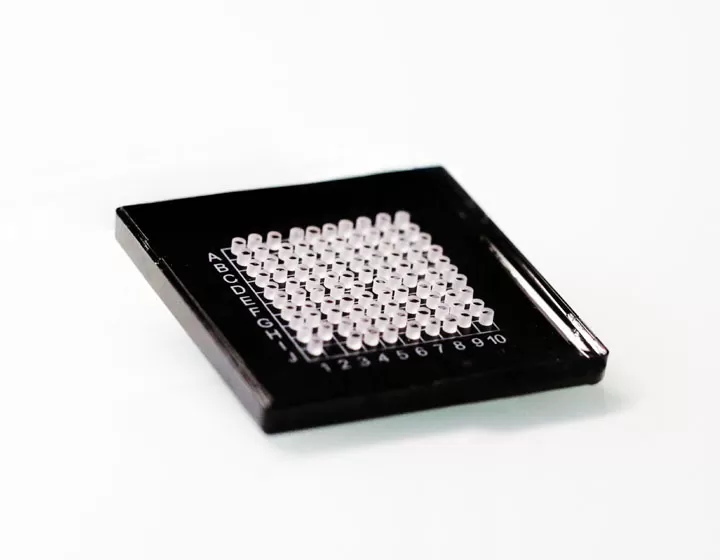
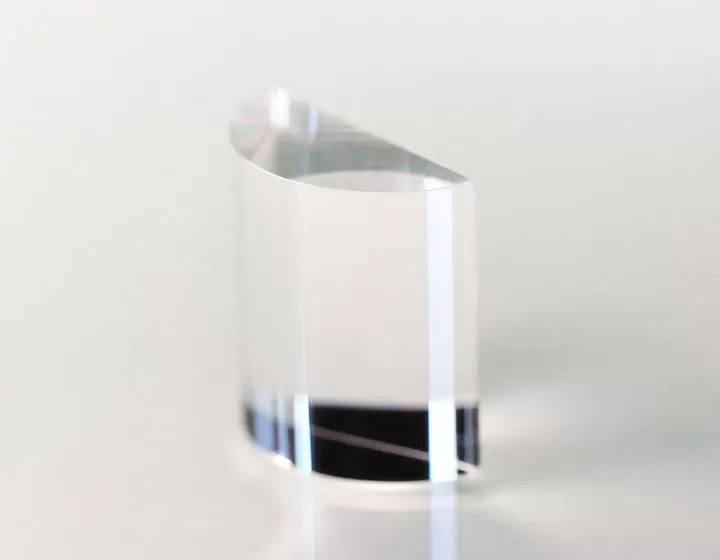
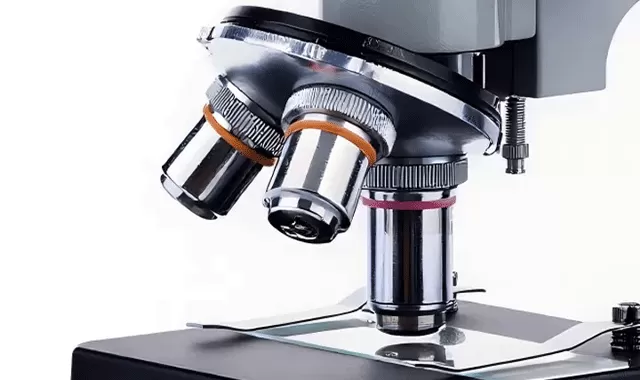
Transmissive Aspherical Lens Reflective Aspherical LensECOPTIK can produce rod mirrors with a minimum diameter of 1.2mm, mainly used in instruments such as laparoscopy and arthroscopy. Small diameter rod mirrors can be integrated into the front end of surgical tools, providing high brightness and high contrast images to assist in precise operations. Compared to traditional lenses, the rod mirror system reduces the complexity of the optical path, improves image color reproduction and detail clarity, and is particularly suitable for microscopic observation (such as cell tissue analysis). The core value of micro rod mirrors lies in their three characteristics of miniaturization, high environmental adaptability, and high imaging quality, making them key components for precision industrial testing, minimally invasive medical care, and high-end optoelectronic systems.
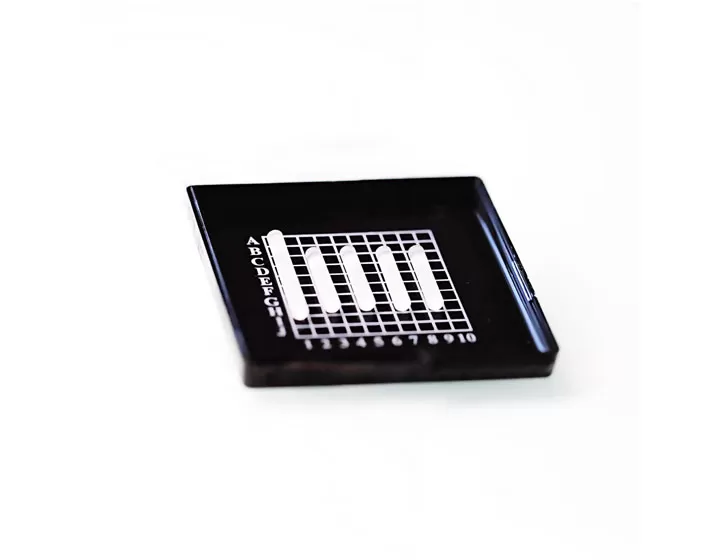
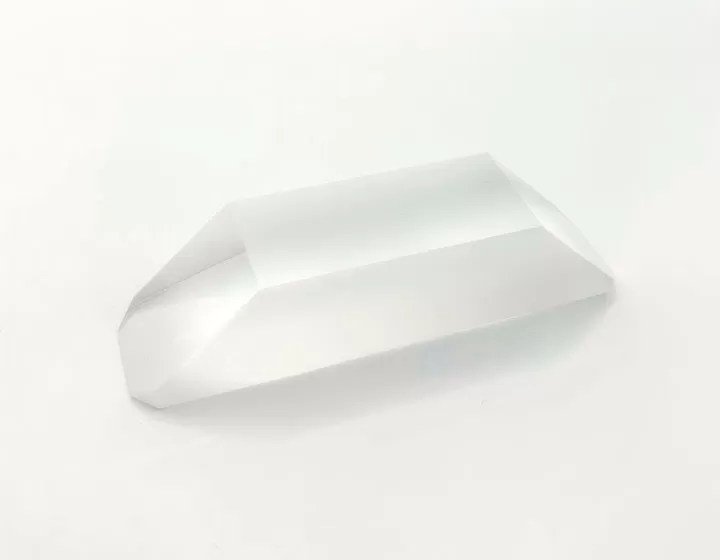
The optical rod lens is primarily used to change the design requirements for imaging size. For example, converting a spot into a line spot, or changing the height of the image without changing the image width. Rod lenses can be applied to linear detector illumination, barcode scanning, holographic illumination, optical information processing, computer, laser emission. Also, a cylindrical lens is used in high-power laser systems and synchrotron beamlines. At the same time, the requirements for rod lens parts are becoming higher and higher, especially in the high-power laser cavity and long-distance line interferometers. Such as high-precision test instruments and devices. As a professional optical manufacturer, ECOPTIK has these types of equipment. The cross-sectional refractive index is parabolically shaped and has a self-focusing effect on the beam, which can be used on an optical lens collimated by the fiber.
Material | Fused Silica IR Trasmissive grade with OH< 10 PPM |
Diameter | 4.75mm+/-0.1mm |
Length | 12mm+/-0.2mm |
Clear Aperture | 4.75mm(14.922mm Naminal Circumference)*10mm Length |
Surface Quality | 20/10 Scratch/Dig |
Surface Figure | 1 wavelength irregularity |
Bevel Edge | 45Deg +/-15 deg Max Bevel=0.5mm |
Coating | MgF2 Hard Coating Centered at 780nm |
AOI | 22Deg |
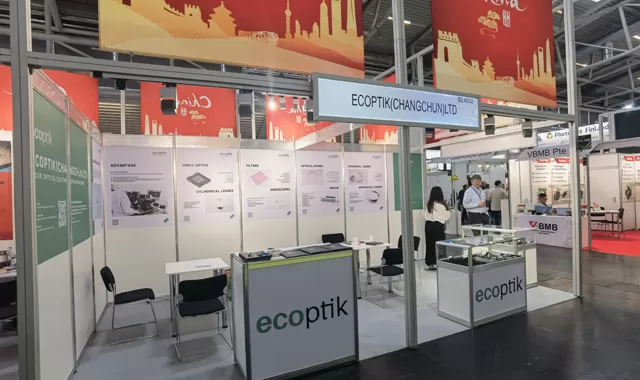
More Place to Find ECOPTIK
30
2025.10
30
2025.10
25
2025.06