Email Us
plano convex l lens

Plano Convex L Lens

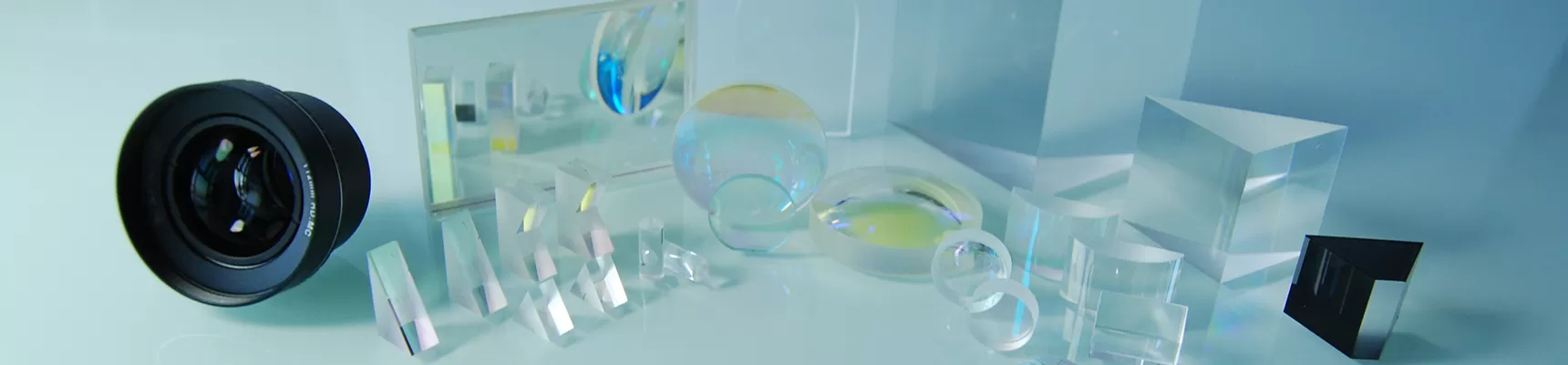
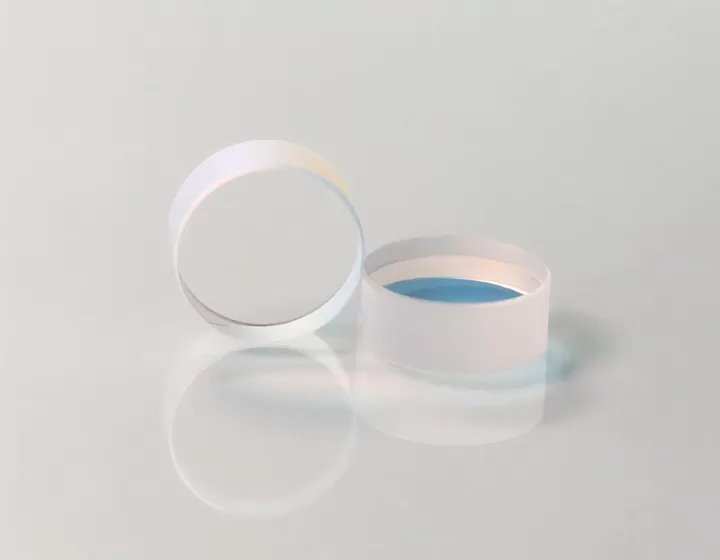
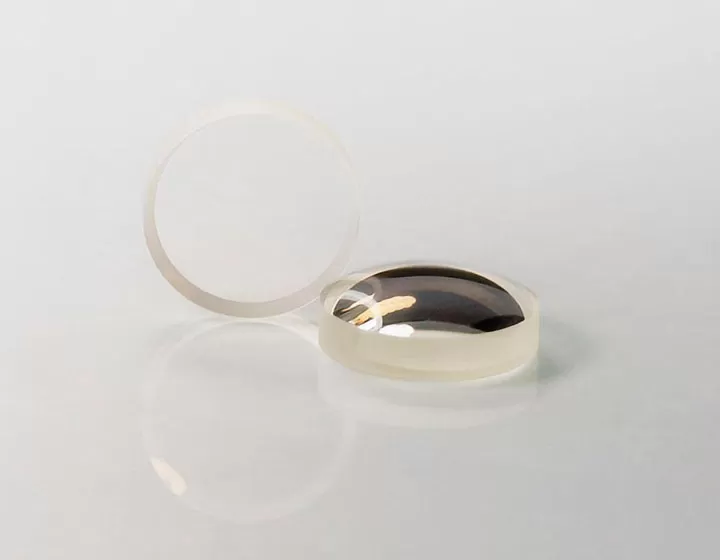
The Plano-Convex Lens is a fundamental optical component. Its structure with a convex surface on one side endows it with unique advantages in focusing, collimation, and imaging. It finds specific applications in various fields such as laser processing, optical sensors, fiber-optic communication, LED lighting, microscope objectives, projector lenses, and astronomical telescopes.

Contact

Specification of Plano Convex L Lens


Material

Optical grade glass/Fused Silica/Sapphire

Diameter

2mm~300mm

Diameter Tolerance

±0.05mm~±1mm

Surface Quality

80/50, 60/40, 40/20, 20/10, 10/5

Surface Accuracy

λ~λ/20

Centration

3 arc min~30 arc sec

Coating

According to customer requirements


Features of Plano Convex L Lens

Plano Convex Lens Uses

The main application fields of plano-convex lens are far-infrared collimator, stage lighting, automotive lighting, outdoor road lighting, airport lighting and indoor special lighting, etc.


Plano Convex Lens VS Biconvex

First of all, from the imaging of the plano-convex lens, the light incident on the two sides of the plano-convex lens has a slightly different refractive index. So, in fact, the focal lengths on both sides are also different. But when using, it cannot be reversed. There is also a type of "plano lens", which is different from plano-convex and biconvex lenses. The incident light is reflected and perpendicular to the parallel incident characteristics to continue straight forward, and no refracted light is produced; it is the middle. The flat glass optical element with the same thickness as the edge is called a flat lens, a biconvex lens, and the light incident on both sides has the same refractive index. The same goes for focal length. Plano-convex lenses have slightly different refractive indices for light incident on both sides. So actually the focal lengths on both sides are also different.


A convex lens is a lens with a thicker center and thinner edges. Convex lenses are divided into biconvex, plano-convex, and concave-convex (or positive meniscus) forms. A biconvex lens, the light incident on both sides has the same refractive index and the same focal length.


Plano-convex lens, one side is flat and the other side is convex. This type of lens is used to gather parallel light, or to convert point light sources into parallel light.


The main use of plano-convex lens are far-infrared collimator, stage lighting, automotive lighting, outdoor road lighting, airport lighting and indoor special lighting, etc.

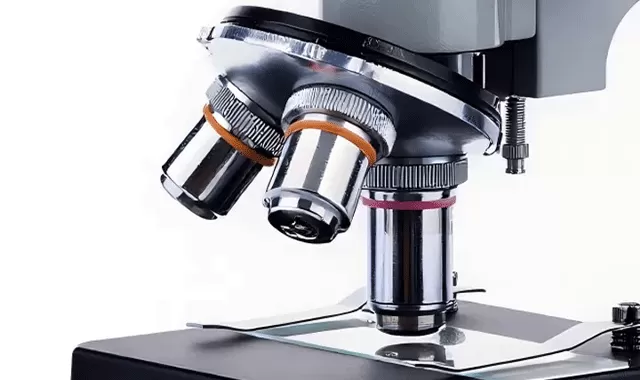
Pushing the Boundaries of Vision: Custom Plan Apochromatic Objectives by ECOPTIK
Top-tier scientific research and demanding industrial applications can't afford compromise. When standard optics fall short, you need a partner capable of engineering vision at the microscopic lev...

30

2025.10

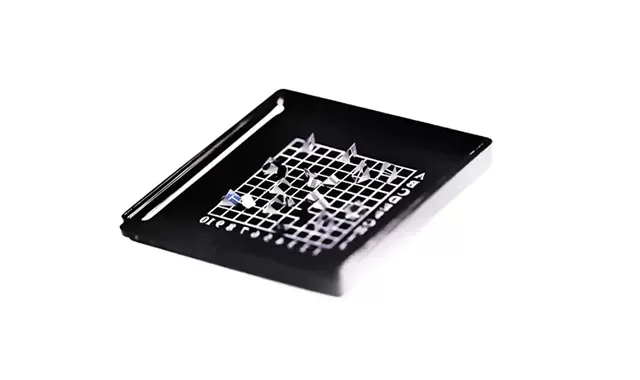
Micro Prism Solutions for Advanced Medical Endoscopy by ECOPTIK
In the delicate world of medical diagnostics, the clarity of a single image can determine a patient's treatment path. As endoscopy becomes more sophisticated, the demand for ultra-precise, miniatu...

30

2025.10

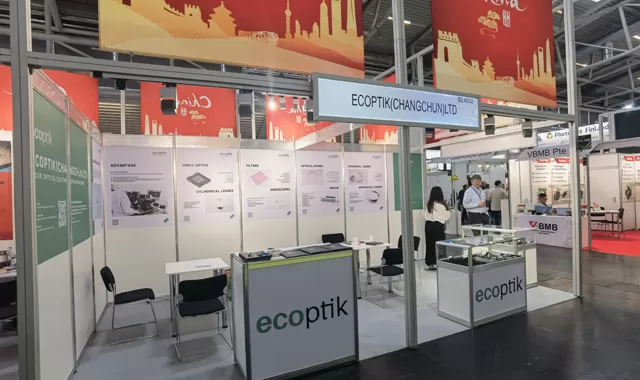
ECOPTIK at Laser World of PHOTONICS 2025
On June 24-27, 2025 local time, the global optoelectronic industry event, the Laser World of PHOTONICS 2025, kicked off at the Messe München. As one of the most influential exhibitions in the industr...

25

2025.06

We use cookies to offer you a better browsing experience, analyze site traffic and personalize content. Part of the tracking is necessary to ensure SEO effectiveness,
By using this site, you agree to our use of cookies. Visit our cookie policy to learn more.
Reject Accept